The Integration of Security Protocols in Digital Payment Systems for Enhanced Mobile Gaming Experiences
Digital payment systems in mobile gaming have evolved rapidly to meet rising demands for speed and reliability, yet security remains the foundation that enables these experiences to flourish without interruption. Developers incorporate protocols such as end-to-end encryption alongside tokenization methods, and these measures protect transaction data while users navigate in-app purchases or real-time rewards during gameplay sessions. Data from industry reports shows that mobile gaming transactions exceeded $100 billion globally in recent years, prompting organizations to prioritize safeguards that prevent breaches and maintain user trust across platforms.
Core Security Protocols Driving Safe Transactions
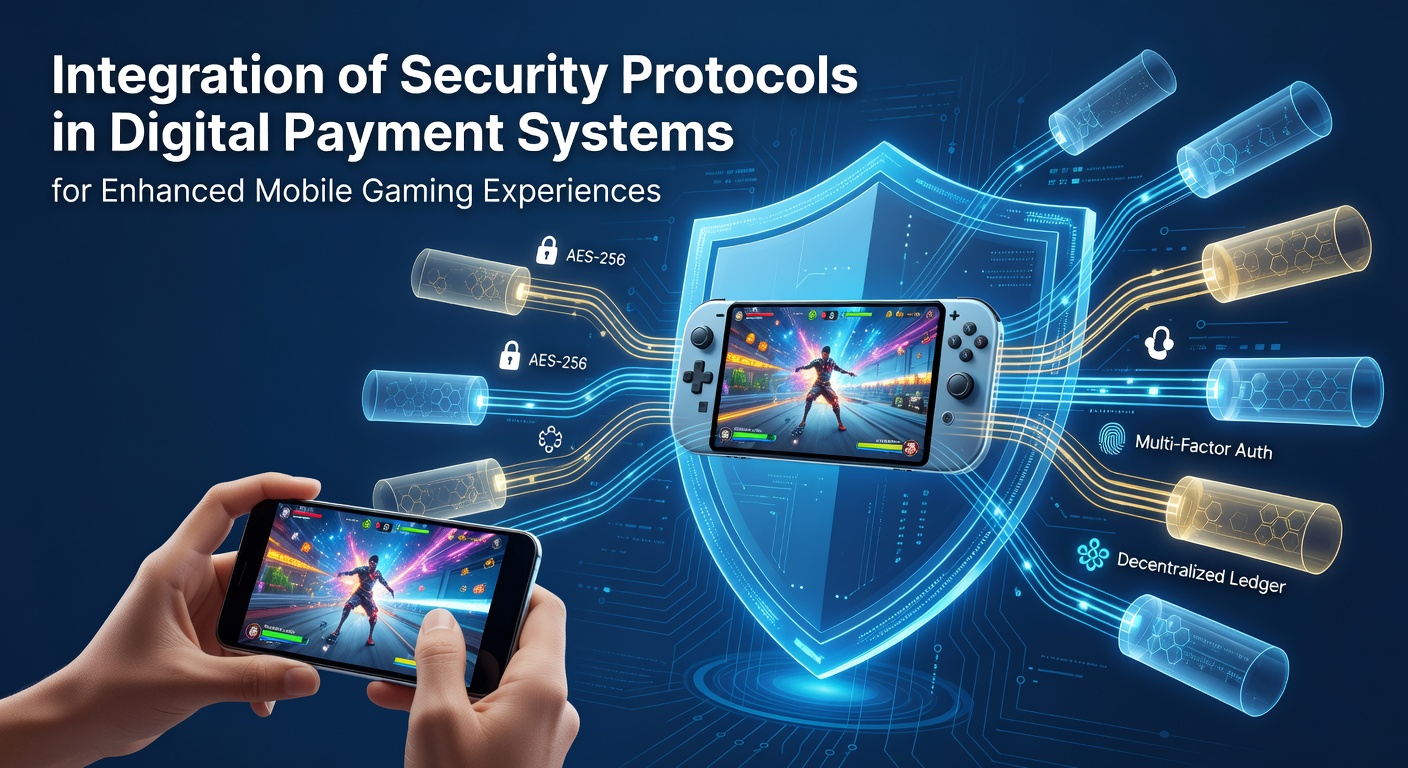
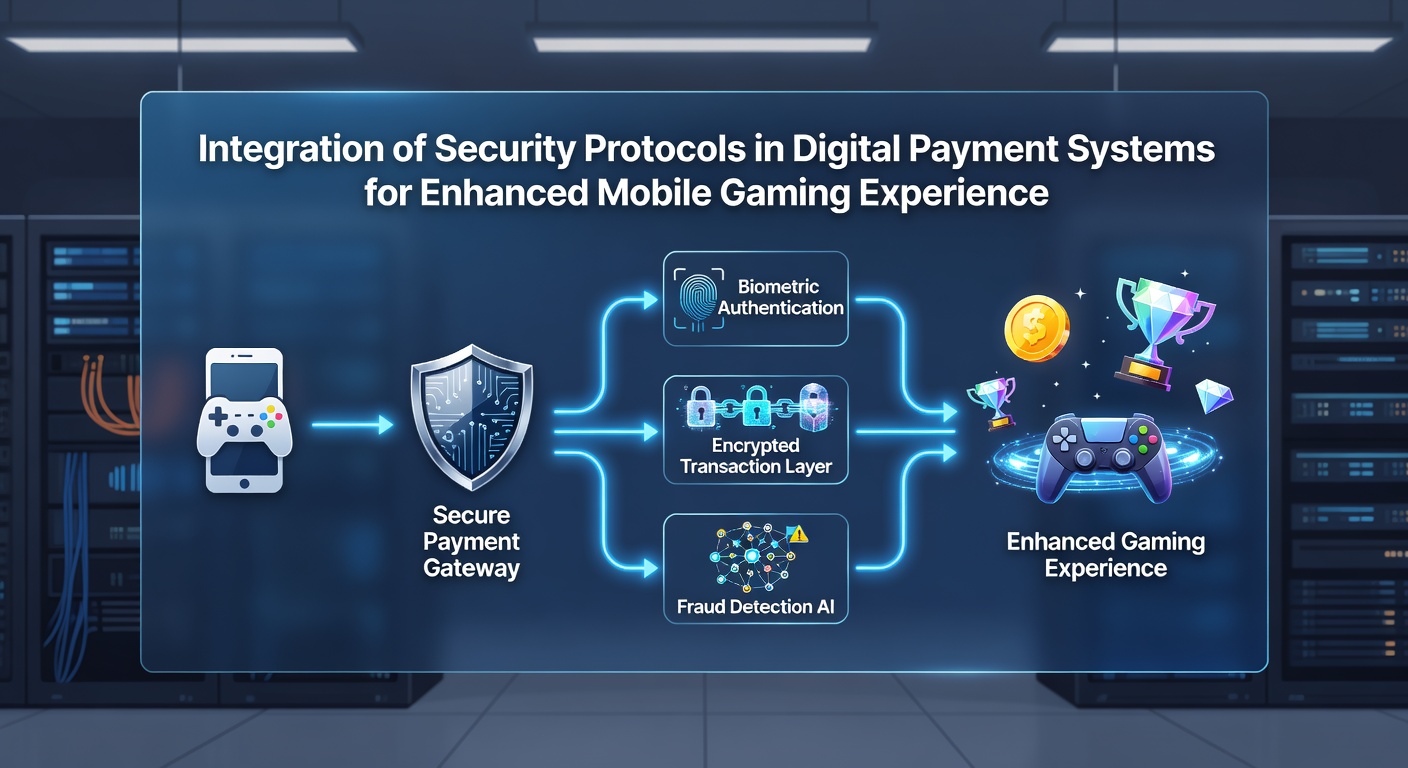
Encryption standards like TLS 1.3 form the backbone of secure data transfers in gaming apps, where sensitive payment details travel between devices and servers without exposure to interception attempts. Tokenization replaces actual card information with unique identifiers that hold no value outside specific sessions, and this approach limits potential damage even if data leaks occur during high-volume events such as tournament payouts. Researchers at various institutions have documented how multi-factor authentication combines device biometrics with one-time codes, creating barriers that adapt to user locations and transaction patterns while preserving fluid gameplay flow.
Payment service providers integrate these elements through APIs that communicate directly with banking networks, and compliance frameworks such as PCI-DSS outline requirements for regular audits and vulnerability testing. Observers note that systems employing real-time fraud detection algorithms analyze spending behaviors instantaneously, flagging anomalies before they escalate into larger issues for players engaged in extended sessions.
Regulatory Frameworks Shaping Protocol Implementation
Government agencies across regions enforce standards that guide how gaming companies handle digital payments, with bodies like the European Central Bank providing guidelines on electronic money transfers that emphasize consumer protection and system resilience. In Australia the Reserve Bank of Australia tracks innovations in payment security, issuing updates that influence how mobile platforms incorporate anti-money laundering checks without adding friction to user interfaces. Data indicates that adherence to these rules has reduced unauthorized transaction rates in digital entertainment sectors by measurable percentages over successive reporting periods.
North American regulators, including those aligned with the National Institute of Standards and Technology, publish frameworks for cybersecurity in consumer applications, and gaming firms apply these to ensure payment gateways withstand evolving threat landscapes. Such measures allow for cross-border transactions common in international gaming communities, where protocols must accommodate varying legal requirements while delivering consistent performance.
Enhancing User Experiences Through Seamless Security
Players encounter fewer interruptions when security protocols operate invisibly in the background, allowing instant deposits during live events or quick withdrawals after competitive matches conclude. Studies from academic sources reveal that optimized integrations reduce average transaction times to under three seconds on most devices, and this efficiency stems from layered defenses that authenticate identities through behavioral signals rather than repeated manual inputs. Gaming platforms that embed these features report higher retention metrics, as users focus on core activities instead of navigating cumbersome verification steps.
Advanced techniques such as machine learning models continuously refine detection thresholds based on aggregated anonymized data, and this adaptive capability addresses new attack vectors as they emerge in mobile ecosystems. Companies collaborate with financial institutions to test protocols under simulated high-load conditions, ensuring stability during peak periods like seasonal game launches or global esports tournaments scheduled around May 2026.
Future Developments and Industry Adaptations
Emerging technologies including quantum-resistant algorithms enter testing phases for long-term protection of payment infrastructures, while decentralized ledger options gain traction for certain peer-to-peer reward distributions within games. Industry associations compile annual assessments that highlight successful protocol deployments, and these resources help smaller developers adopt proven methods without extensive internal resources. Projections suggest continued growth in secure mobile payment volumes, driven by expanding access in emerging markets where device penetration rises steadily.
Partnerships between tech firms and regulatory entities facilitate knowledge sharing on best practices, resulting in standardized tools that balance protection with accessibility across diverse hardware configurations. Those monitoring sector trends point to incremental improvements in protocol interoperability, which streamline operations for platforms supporting multiple currencies and regions simultaneously.
Conclusion
The integration of security protocols into digital payment systems continues to support enhanced mobile gaming by safeguarding transactions while enabling responsive and reliable user interactions. Ongoing refinements driven by regulatory guidance and technological advances position these frameworks to handle increasing demands, as evidenced by sustained adoption rates and declining incident reports across documented cases. Stakeholders maintain focus on balanced implementations that prioritize both protection and performance, fostering environments where gaming experiences proceed without compromise to data integrity or operational continuity.