Mapping Behavioral Data Patterns to Refine Voluntary Break Mechanisms Across International Gaming Apps
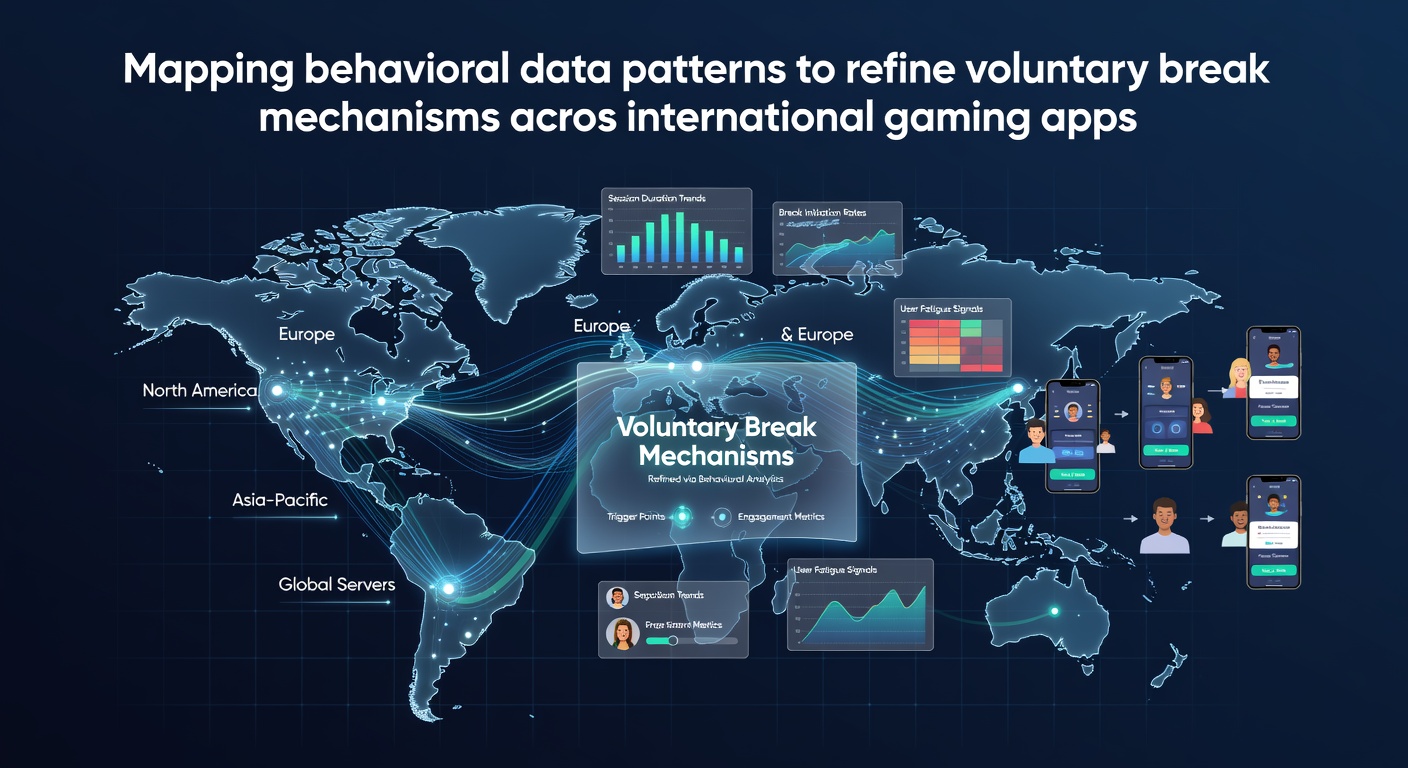
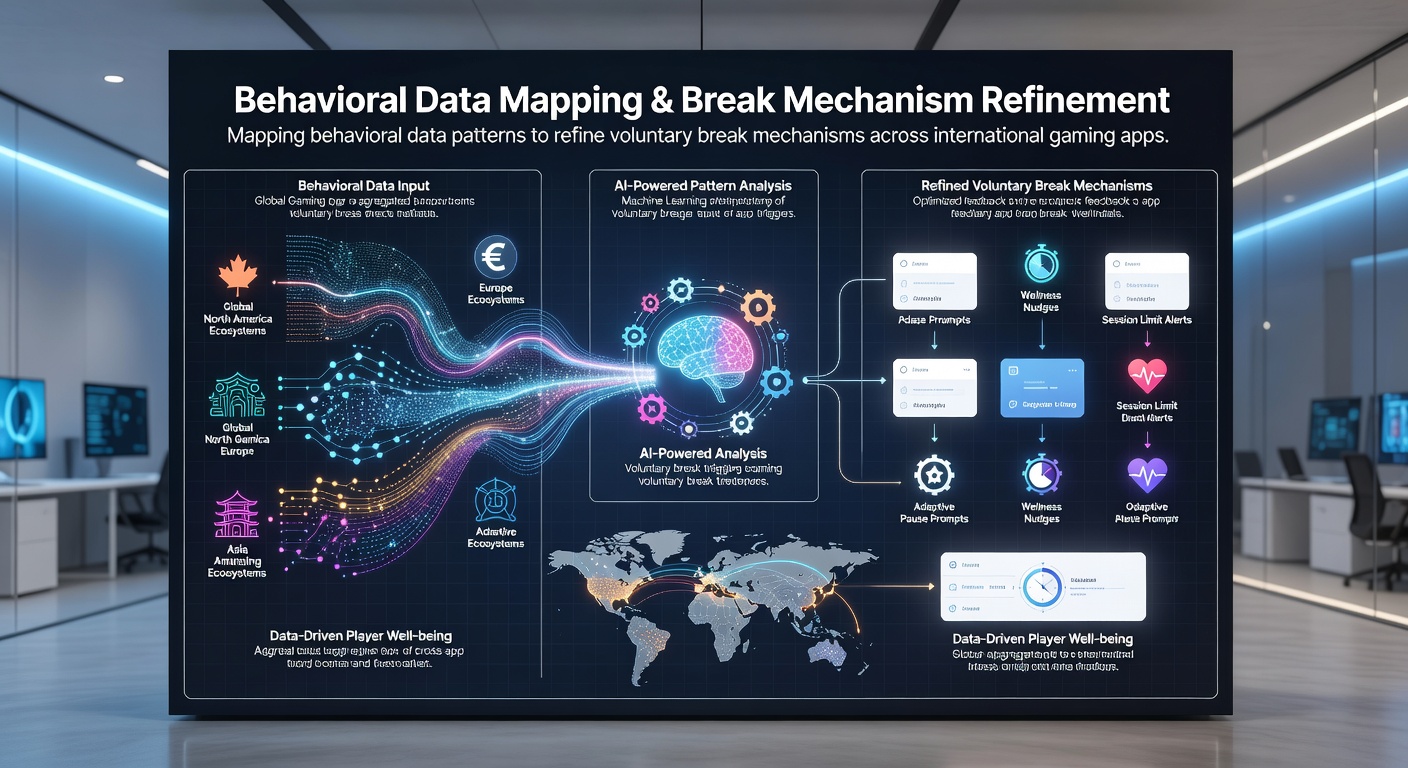
Behavioral data mapping has become a central process in the design of voluntary break mechanisms within international gaming apps, where operators track session lengths, wager frequencies, and interaction sequences to identify moments when users might benefit from prompted pauses. Researchers collect anonymized metrics from millions of daily logins across mobile platforms, then apply clustering algorithms that group similar activity profiles together, allowing systems to suggest breaks tailored to individual patterns rather than generic timers.
Core Data Inputs and Pattern Recognition Techniques
Apps gather information on time spent per game type, deposit intervals, and win-loss streaks while users engage with slots, table games, or live dealer interfaces, and analysts cross-reference these streams with device-level signals such as screen touch rates and session restart frequency. Machine learning models process the resulting datasets to detect early indicators of prolonged play, for instance when consecutive spins exceed a calculated threshold derived from historical user cohorts. In June 2026 several platforms updated their models after new telemetry from Asia-Pacific markets revealed distinct evening peak patterns that differed from European daytime clusters, prompting refinements in break suggestion timing.
Pattern recognition relies on sequence mining that maps transitions between game categories and funding actions, while regression analysis predicts the probability a player will continue past a self-imposed limit. Observers note that combining these outputs produces break prompts that feel less intrusive because they align with the user's established rhythm, such as after a series of rapid small bets rather than during a win streak.
Implementation Across Regulatory Environments
European operators integrate these mapped patterns into interfaces governed by the Malta Gaming Authority requirements, whereas Australian apps align outputs with directives from state-based commissions that emphasize harm minimization reporting. Canadian provincial frameworks in Ontario require similar data transparency, and developers adjust break algorithms accordingly so that prompts reference local self-exclusion registries when patterns indicate elevated risk markers. The approach allows a single global app to deliver region-specific break experiences without altering the underlying data architecture.
Case Examples from Deployed Systems
One operator serving multiple Southeast Asian markets deployed a model that flagged users whose deposit frequency rose sharply within a 48-hour window, then offered a 15-minute break option accompanied by a summary of recent activity. Data from that rollout showed a measurable drop in immediate re-engagement rates among the flagged cohort. Another platform operating in Latin America linked rapid switch behavior between high-volatility slots and live roulette to break suggestions that included quick-access links to account activity dashboards, and subsequent logs indicated users reviewed their totals more often before resuming play.
Academic teams at institutions such as the University of Nevada, Reno have examined aggregated datasets supplied under research agreements, finding that break mechanisms calibrated to individual variance in session length outperformed fixed-interval prompts in user compliance metrics. University of Nevada gaming research continues to supply comparative figures across jurisdictions, helping operators benchmark their own mapping accuracy.
Technical Refinement and Privacy Considerations
Engineers refine the models by testing A/B variants where one group receives pattern-based breaks and another receives standard time-based alerts, then measure differences in break acceptance and post-break return rates. Differential privacy techniques mask individual identities within training data while preserving the statistical signals needed for accurate clustering. Regulators in several markets now request audit trails that document how specific behavioral variables influence each break recommendation, ensuring the mapping process remains explainable.
Cross-border data transfers require compliance with local storage rules, so many firms maintain separate processing clusters that feed results back into a unified recommendation engine. This architecture supports rapid updates when new pattern clusters emerge from seasonal events or game launches.
Conclusion
Mapping behavioral data patterns continues to shape voluntary break mechanisms by converting raw interaction logs into actionable, personalized prompts that operate consistently across diverse international frameworks. As datasets expand and models incorporate additional signals, the precision of these tools is expected to increase, supporting operators in meeting both commercial and regulatory expectations without disrupting core gameplay flow.