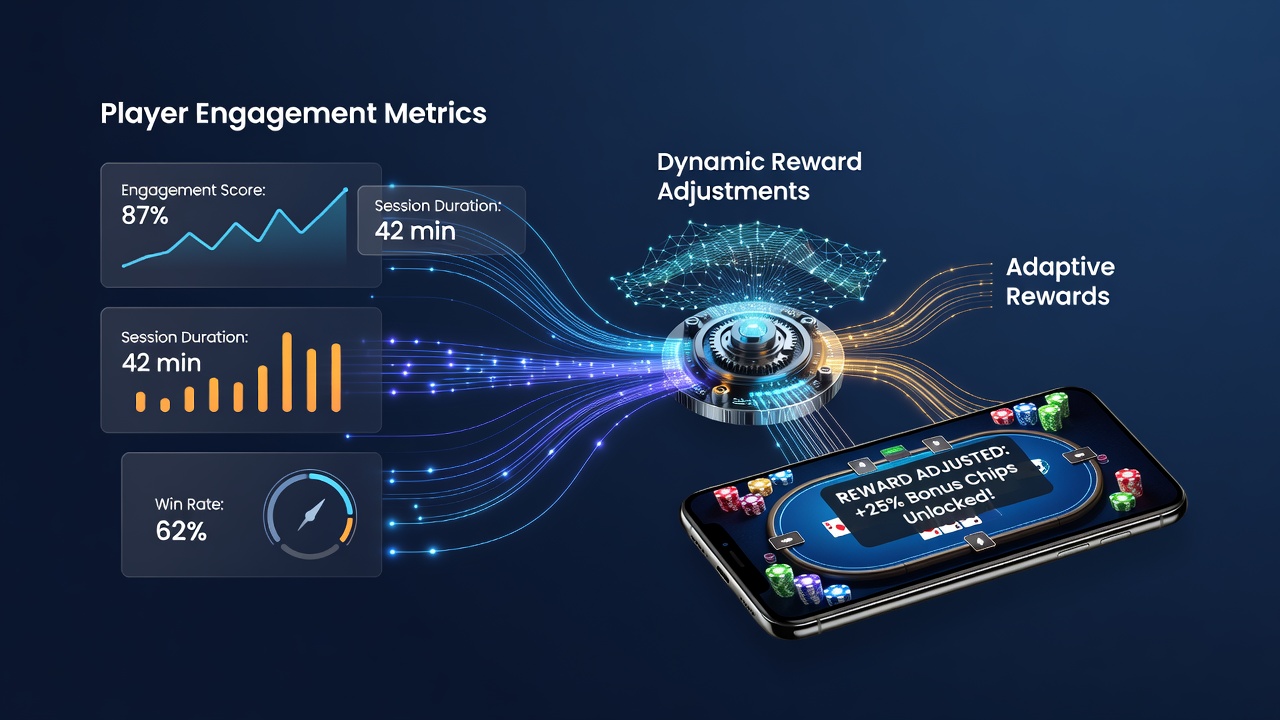
Linking Player Engagement Metrics with Dynamic Reward Adjustments in Smartphone-Based Table Game Environments
Smartphone-based table game environments rely on detailed player engagement metrics to drive dynamic reward adjustments that respond to individual patterns in real time, and developers track session duration, bet frequency, and win-loss ratios through integrated analytics platforms. These systems process data streams from mobile applications where users participate in blackjack, poker, and roulette variants, which allows operators to modify bonus structures, loyalty points, and promotional offers without manual intervention. Research from academic institutions shows that such linkages improve retention rates when adjustments occur within seconds of detected behavioral shifts, and algorithms compare current activity against historical benchmarks to calculate appropriate reward levels.
Core Engagement Metrics in Mobile Table Games
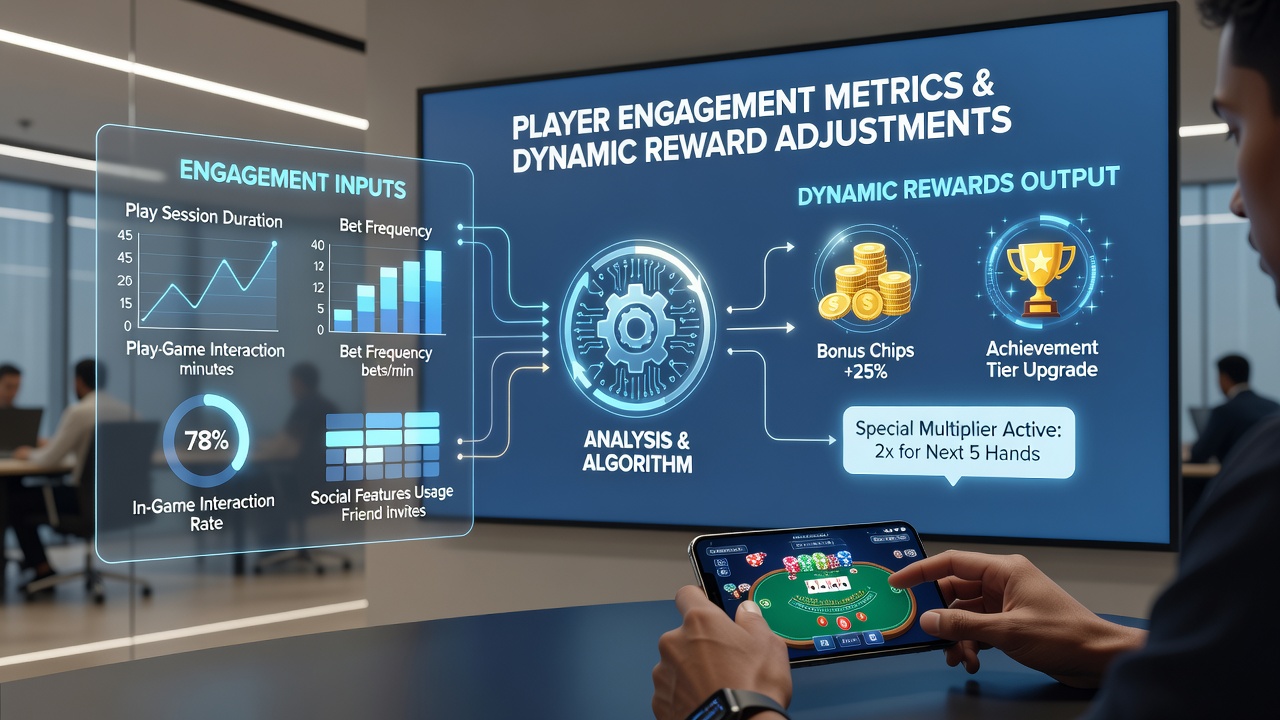
Player engagement metrics encompass several measurable variables that include average session length, number of hands played per hour, and interaction with in-game features such as chat functions or strategy tools, while data collection occurs through embedded software development kits that transmit anonymized information to central servers. Observers note that these metrics gain additional value when combined with device-specific details like screen time and connection stability, because smartphone environments introduce variables such as interruptions from notifications or varying network conditions that affect play consistency. Studies conducted by research teams at institutions across North America and Europe indicate that engagement drops sharply after thirty minutes in many sessions, which prompts systems to initiate reward recalibrations at that threshold to maintain activity levels.
Dynamic reward adjustments operate through rule-based engines and machine learning models that evaluate incoming metric data against predefined thresholds, and these models adjust parameters such as cashback percentages or free spin allocations accordingly. The process integrates with existing game servers so that changes appear seamlessly to users without disrupting ongoing rounds, whereas static reward systems lack this responsiveness and often fail to address mid-session declines in participation. Figures from industry reports reveal that operators implementing dynamic systems recorded higher average revenue per user in the first half of 2026, particularly during periods when mobile traffic peaks in evening hours across multiple time zones.
Integration Mechanisms and Technical Frameworks
Integration begins with application programming interfaces that connect engagement tracking modules directly to reward distribution servers, which enables real-time updates based on live data feeds from smartphone clients. Developers configure these connections to handle high-volume transactions typical of table game environments where hundreds of concurrent sessions may require simultaneous adjustments, and testing protocols ensure that latency remains below acceptable limits to prevent perceived delays. In June 2026, several platform providers updated their frameworks to incorporate edge computing capabilities that process metric calculations closer to the user device, reducing reliance on distant cloud resources while maintaining compliance with regional data protection standards.
Security considerations play a central role in these integrations because reward adjustments involve financial elements that require verification at each step, and encryption protocols protect metric data during transmission between devices and servers. Regulatory bodies in various jurisdictions mandate audit trails for all dynamic changes, which allows independent reviewers to verify that adjustments follow documented algorithms rather than arbitrary decisions. The American Gaming Association has published guidelines that address these requirements, and similar documentation from Canadian sources outlines parallel expectations for transparency in mobile gaming operations.
Regional Data Patterns and Implementation Examples
Regional variations appear in how engagement metrics translate into reward adjustments, with North American operators emphasizing session frequency while Asian markets focus more on total wager volume within each sitting. One implementation in a major mobile platform adjusted reward tiers every fifteen minutes based on a composite score derived from multiple metrics, and this approach correlated with measurable increases in continued play across tested user cohorts. Researchers at universities in Australia have examined similar systems and found that combining location data with engagement figures allows more precise targeting of rewards during travel periods when users might otherwise disengage.
Another example involves poker applications that monitor fold rates and bluffing frequency to identify skill progression, after which reward systems introduce targeted incentives such as entry into higher-stakes tournaments or additional starting chips. These adjustments occur through automated scripts that reference historical performance data stored in secure databases, and operators report that the method reduces player churn when applied consistently over multiple weeks. The Australian Gambling Research Centre has documented comparable patterns in portable gaming environments where dynamic elements align closely with observed behavioral shifts.
Conclusion
Linking player engagement metrics with dynamic reward adjustments creates responsive systems that adapt to smartphone table game activity in structured, data-driven ways, and ongoing developments in June 2026 continue to refine these connections through improved processing techniques and regulatory alignment. The framework supports consistent operation across diverse markets while maintaining focus on measurable inputs and outputs that operators can track and verify.